How do I know what the tire pressure of my tires is supposed to be?
It's conveniently printed on a sticker on the inside of the driver's seat door for you.
What is the difference between timing belts and timing chains?
A belt is made of rubber and is stretched over a smooth groove in a drive wheel to ensure that it has tension. A timing chain is made of a metal chain and has teeth to grip it into position.
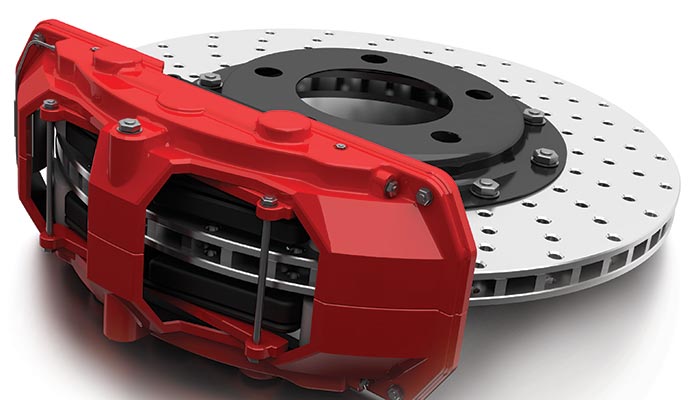
Why are my brakes squealing when I use them?
The rubber on your brake pads is wearing down, and you've reached a layer that is there to warn you your brakes will soon fail. See us ASAP.
Why is my check engine light on?
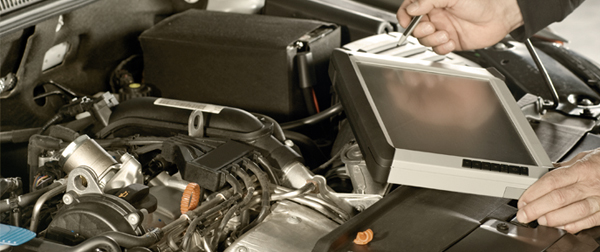
It could be any number of things, from small to large. If it flashes, we recommend not driving your car. If it comes on steadily or comes and goes, we recommend you bring your vehicle in immediately.
What's the point of getting a pre-purchase inspection for a car that I've tested?
It's the advantage of knowing a mechanic you trust has also tested the car and doesn't see any immediate work that needs to be done. A pre-purchase inspection eliminates the surprises that can frustrate you down the road.
When do I need to replace my belts and hoses?
Every three to four years, or immediately if you see any cracks in them. Best to check every Spring and Fall as temperature extremes can shorten the life of belts and hoses.
Why do I need to have my engine oil changed every 3,000 miles?
Oil is the lifeblood of your car, which functions as your body does in many ways without the ability to heal itself. Whereas we replace our blood with new blood gradually and slowly as we consume and live, your car needs old oil drained and new oil returned as it begins to lose its quality and viscosity by collecting debris and particles.
How often should I rotate my tires?
Six thousand miles is a good rule of thumb, but consider getting a rotation with every other oil change if you're not driving far but driving hard.
What should I do if my car starts to overheat?
PULL OVER right away and call us. Overheating can cause catastrophic damage that could be very costly if you don't seek repairs right away.
What is Preventative Maintenance?
Preventive maintenance is when you service your car regularly to stay ahead of parts wearing out or breaking down. Studies have shown time after time that when you are proactive in maintaining your vehicle with factory-recommended service, you will save money in the long run.